My grandmother said the body remembers
what the mouth is too afraid to say.
She said the ache in her knees
was every border crossed without consent,
every history folded too small to breathe.
I believe her.
My bones hum when the news is bad.
My lungs flinch at flags.
Some nights my heart beats
like it’s trying to escape jurisdiction.
Tell me
what is a country
if not a story told loudly enough
to sound like truth?
What is obedience
if not fear dressed as loyalty?
I was taught to kneel
before I learned the names of things:
soil, spine, hunger
taught that silence was a form of cleanliness
and that pain, if borne elegantly,
might pass for virtue.
But the earth does not kneel.
It splits.
There is a sound to it
not thunder, but a long, intimate tearing,
like fabric giving up on being useful.
Like a mouth unlearning prayer.
We live over fault lines we pretend are roads.
We pour concrete over grief
and call it progress.
We teach our children to count borders
but not to listen to the ground.
I want a language that stutters on purpose,
that refuses to behave.
A language that cracks open the word home
and asks who was locked outside
to make it possible.
When I say I am here,
I do not mean safe.
I mean breathing despite.
I mean stitched together with borrowed courage
and the stubborn muscle of staying.
The chasm is not ahead of us.
It is what we fall back into
every time we choose comfort
over witness.
Still
there are hands reaching across it.
There are voices guiding us out
like ropes.
There is the radical act of looking down
and refusing to look away
If the earth asks anything of us now,
it is not forgiveness.
It is attention.
To feel the ground move
and learn to move with it.
To stop pretending stillness
is the same as peace.
To stand at the edge
and speak anyway.

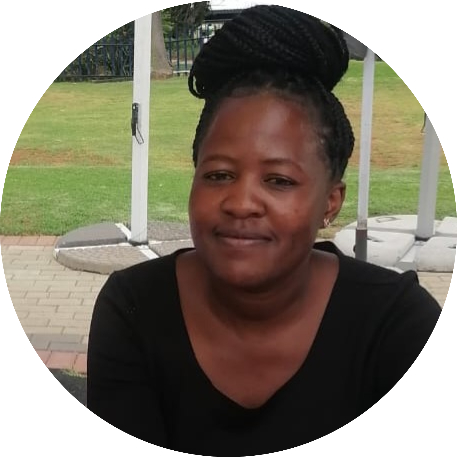
Khayelihle Benghu is a South African poet based in Johannesburg. Her work explores themes such as memory, grief, faith, family, and the quiet endurance of ordinary lives. Her poems have appeared in Person of Interest, Aloka, Decolonial Passage, AKE Review, Eyes on the Telescope, and Metphrastics. She is also the author of the poetry collection The Names We Carry.
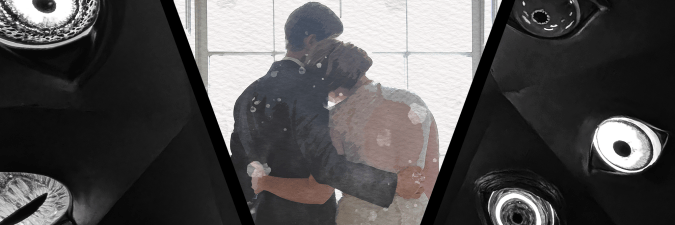
Header photography and artwork by Jordan Keller-Wilson
Discover more from Vast
Subscribe to get the latest posts sent to your email.

